


Short Khavinson-style peptide bioregulators.
A dedicated index for the Russian bioregulator family, kept separate because the buyer profile and naming system are distinct.
Russian Bioregulators catalog.
15 of 95 products15 of 15 products shown


Bronchogen
$69.99- CAS
- N/A
- MW
- 446.46
Bronchogen from the Nexus Russian Bioregulators catalog, supplied for controlled in-vitro research workflows.


Research context
These short peptide bioregulators are easiest to navigate as a named family rather than scattered across organ-system categories.
Browse other research areas.
Researchers often cross-reference compounds across categories. See the full research catalog or jump to another category below.
- GLP-1 & Metabolic research compounds
- Growth Hormone Secretagogues research compounds
- Healing & Recovery research compounds
- Cosmetic & Skin research compounds
- Cognitive & Nootropic research compounds
- Longevity & Cellular Health research compounds
- Tanning & Pigmentation research compounds
- Sexual Health research compounds
- Sleep research compounds
- Mitochondrial & Energy research compounds
- Specialty Research research compounds
- Oral Tablets research compounds
- Solvents & Accessories research compounds
For batch certificates of analysis, see the public COA archive. For reference data on compounds, see the peptide research database.
Category overview.
Russian bioregulator peptides — also known as Khavinson peptides — are short di-, tri-, and tetra-residue synthetic sequences originally described in Russian peptide bioregulator research. The Nexus catalog includes 15 sequence-defined Khavinson research compounds — examples: Bronchogen, Cardiogen, Cartalax, Chonluten, Cortagen. Supplied for in-vitro research use only.
Russian bioregulator research products are short peptide materials often organized by organ-system naming conventions. Nexus keeps this family as its own category because names, buyer intent, and comparison patterns differ from broader peptide classes.
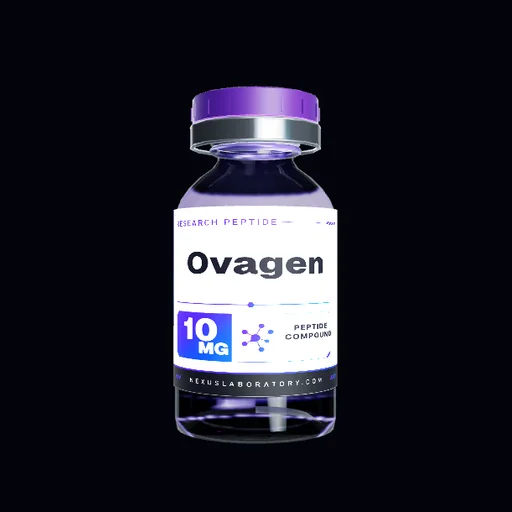
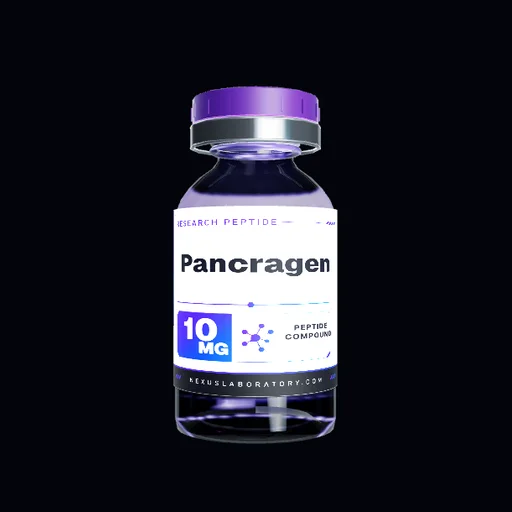
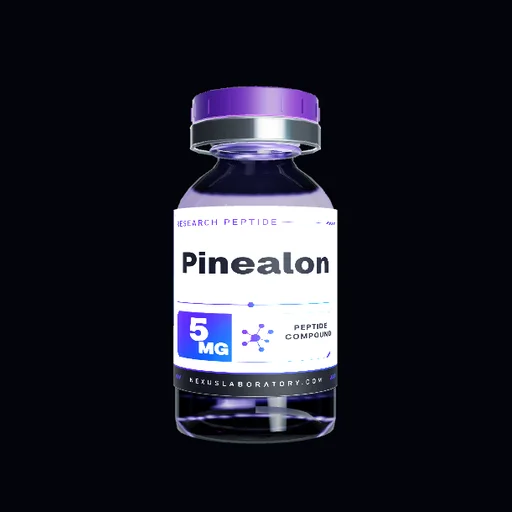
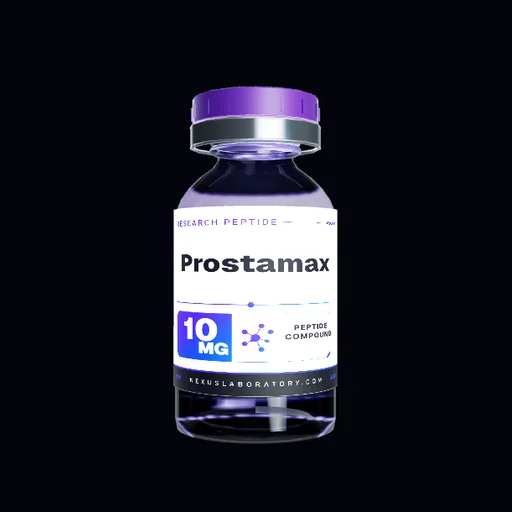
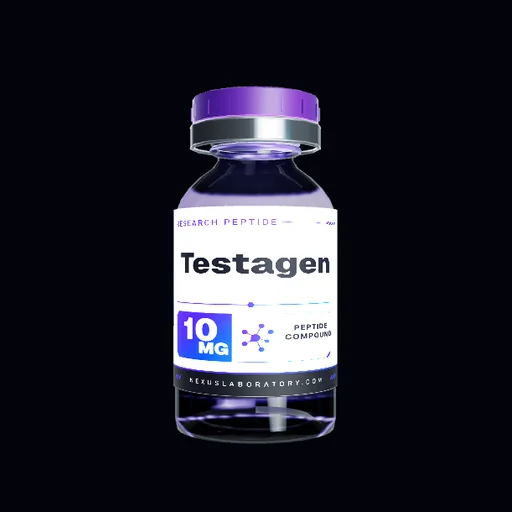
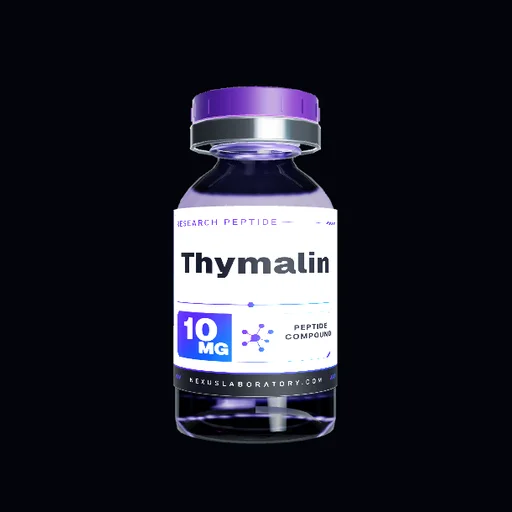
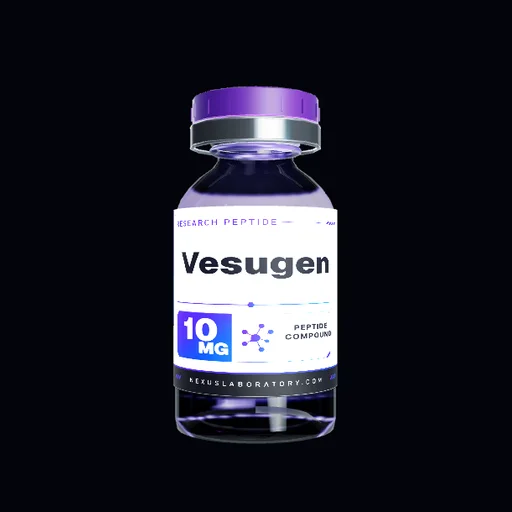
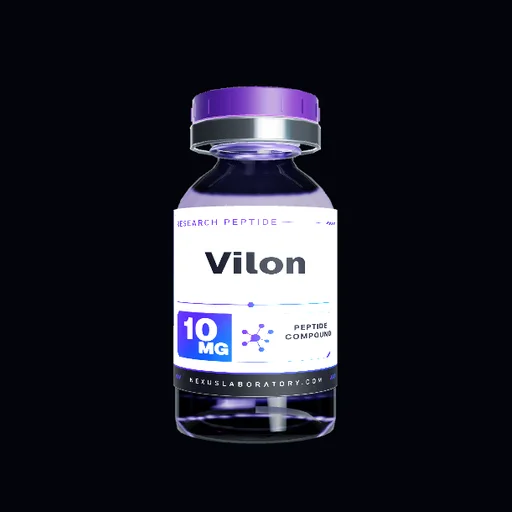
The category includes Bronchogen, Cardiogen, Cartalax, Chonluten, Cortagen, Crystagen, Livagen, Ovagen, Pancragen, Prostamax, Testagen, Thymalin, Vesugen, Vilon, and Pinealon. Product pages emphasize identity and catalog structure rather than unsupported mechanism claims.
Research context.
Bioregulator products are best navigated as a named family because their research context is tied to short peptide identity and historical naming patterns. Nexus avoids forcing these entries into unrelated therapeutic categories, which would create weaker internal linking and less accurate discovery.
The category page helps researchers scan the full set quickly, then inspect individual product pages for variant, COA, and chemistry details. Where source records contain warnings or missing values, the product page preserves those gaps rather than fabricating authority.
Quality standards.
Nexus uses conservative copy for bioregulators, with product identity and lot-specific certificate status prioritized over broad outcome language. Finalized records show only source-document fields; pending records expose no assay values.
Research applications.
Compounds in this category are studied in preclinical research models with a tissue-specific research history described primarily in Russian biochemistry literature (V.Kh. Khavinson research group at the St. Petersburg Institute of Bioregulation and Gerontology). Each Khavinson bioregulator has a specific organ/tissue research focus: bronchogen (bronchial / respiratory epithelium), cardiogen (cardiac), cartalax (cartilage), chonluten (respiratory), cortagen (CNS / neuropeptide), crystagen (immune), livagen (hepatic), ovagen (reproductive), pancragen (pancreatic), pinealon (pineal / CNS), prostamax (prostate), testagen (reproductive), thymalin (thymic / immune), vesugen (vascular), and epithalon-adjacent pinealon (pineal axis).
Compound diversity within this category.
The 15 Khavinson research bioregulators are mostly 4-residue tetrapeptides (a few are di- or tri-peptides). Sequence diversity is intentional — each peptide encodes a specific organ/tissue research focus through its sequence. The category is unique in the catalog because compound identity is anchored by sequence rather than by mechanism: research applications cluster by tissue rather than by receptor.
Common research stacks.
Common research-stack pairings within the Khavinson family: epithalon + pinealon for pineal-axis research, bronchogen + chonluten for respiratory-axis research, cardiogen + vesugen for cardiovascular-axis research, and thymalin + crystagen for thymic / immune research. Cross-family: thymalin pairs with thymosin alpha-1 (in Healing & Recovery) for immune-research stacks.
Verification specifics.
Analytical methods vary by compound, format, and named lot. A finalized lot record publishes only the methods, fields, and results present in its source document. A pending certificate state exposes no assay values; no category-level method panel, purity threshold, or release conclusion is implied.
Products in this category
- Bronchogen: short bioregulator research peptide.
- Cardiogen: named bioregulator research product.
- Cartalax: bioregulator-family catalog item.
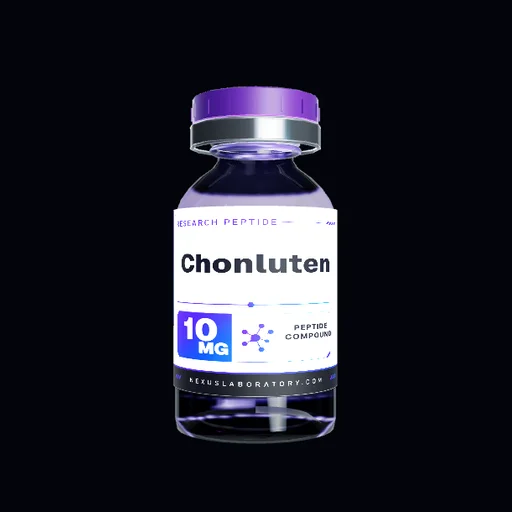
- Chonluten: short peptide research material.
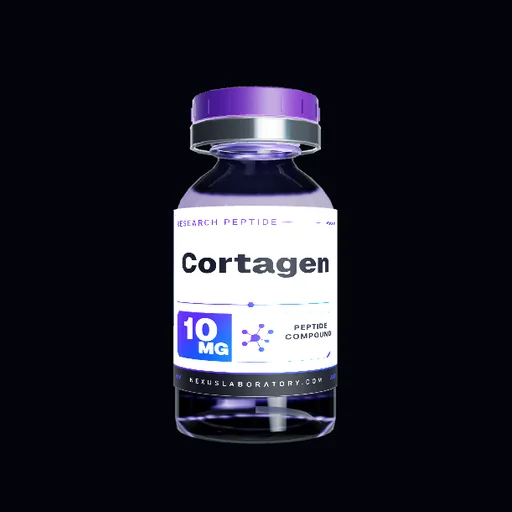
- Cortagen: bioregulator research compound.
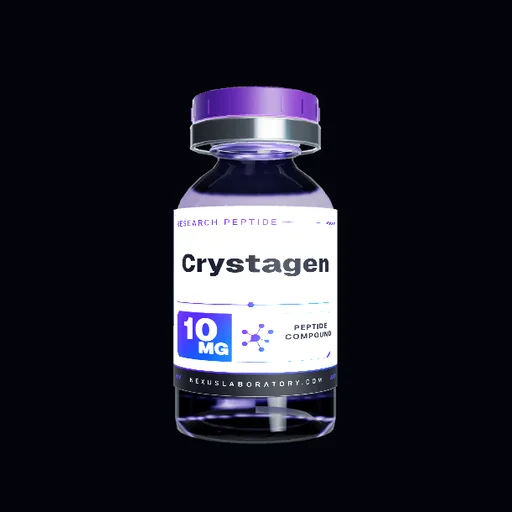
- Crystagen: named short peptide product.
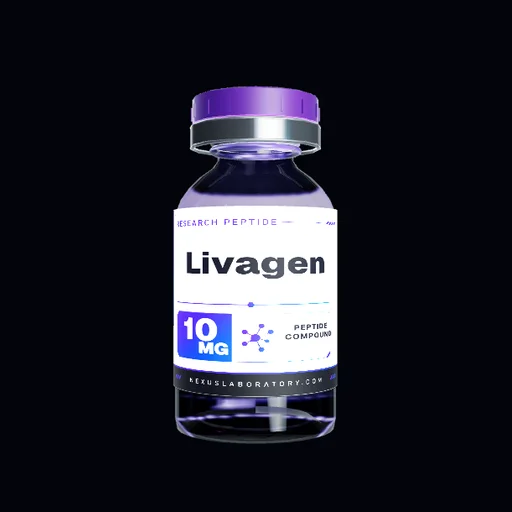
- Livagen, Ovagen, Pancragen, Prostamax, Testagen, Thymalin, Vesugen, Vilon, and Pinealon: organ-system named bioregulator records.
Category FAQ
Why does Nexus have a separate bioregulator category?
These products share a naming and research lineage that is easier to navigate as a dedicated family.
Are organ-system names medical claims?
No. Nexus treats them as product names and research catalog identifiers, not as outcome claims.
Does every bioregulator have complete chemistry data?
Not always. Missing fields remain visible as pending or not listed rather than being guessed.
How should researchers compare products here?
Compare product identity, variant size, COA status, and any listed structural information.
Are these products for research use only?
Yes. Nexus bioregulator listings are for controlled research use only.