


Repair-oriented peptides and immune-modulation stacks.
Tissue repair, gut-barrier, inflammatory-response, and thymosin-family compounds organized for recovery research workflows.
Healing & Recovery catalog.
12 of 95 products12 of 12 products shown

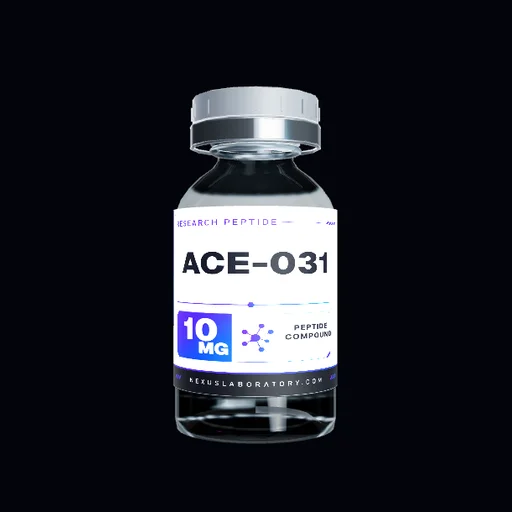

BPC 10mg + TB 10mg
$132.99- CAS
- N/A
- MW
- 157
BPC 10mg + TB 10mg from the Nexus Healing & Recovery catalog, supplied for controlled in-vitro research workflows.

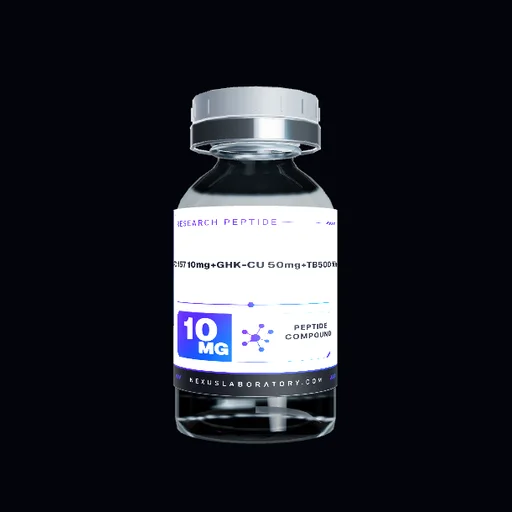
BPC 157 10mg+GHK-CU 50mg+TB500 10mg
$166.99- CAS
- N/A
- MW
- ---
BPC 157 10mg+GHK-CU 50mg+TB500 10mg from the Nexus Healing & Recovery catalog, supplied for controlled in-vitro research workflows.
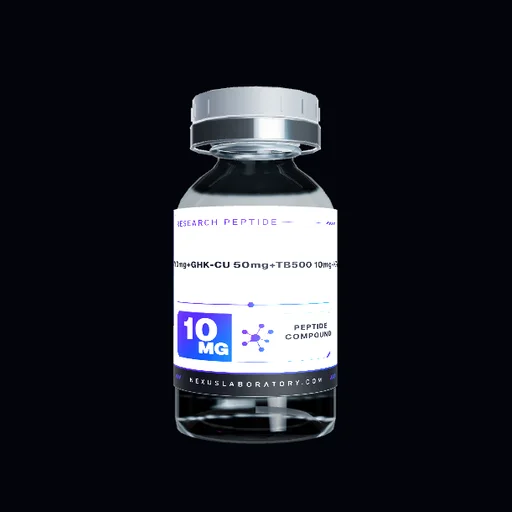
BPC 157 10mg+GHK-CU 50mg+TB500 10mg+KPV 10mg
$210.99- CAS
- N/A
- MW
- ---
BPC 157 10mg+GHK-CU 50mg+TB500 10mg+KPV 10mg from the Nexus Healing & Recovery catalog, supplied for controlled in-vitro research workflows.
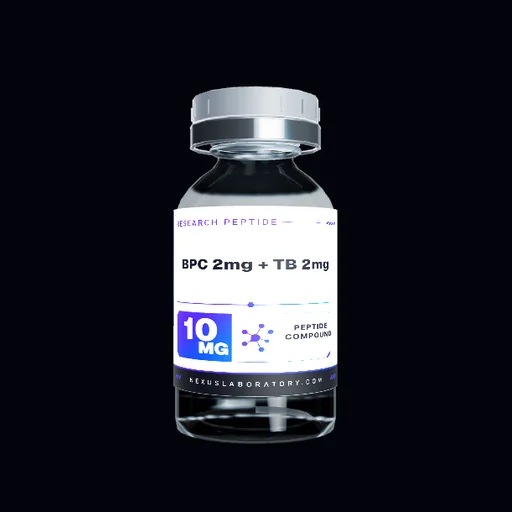
BPC 2mg + TB 2mg
$54.99- CAS
- N/A
- MW
- 157
BPC 2mg + TB 2mg from the Nexus Healing & Recovery catalog, supplied for controlled in-vitro research workflows.
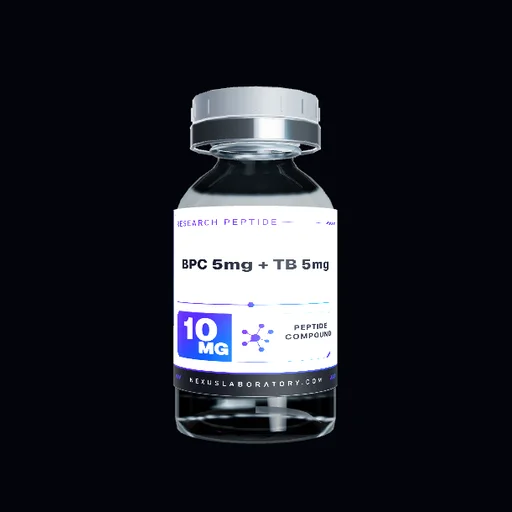
BPC 5mg + TB 5mg
$80.99- CAS
- N/A
- MW
- 157
BPC 5mg + TB 5mg from the Nexus Healing & Recovery catalog, supplied for controlled in-vitro research workflows.
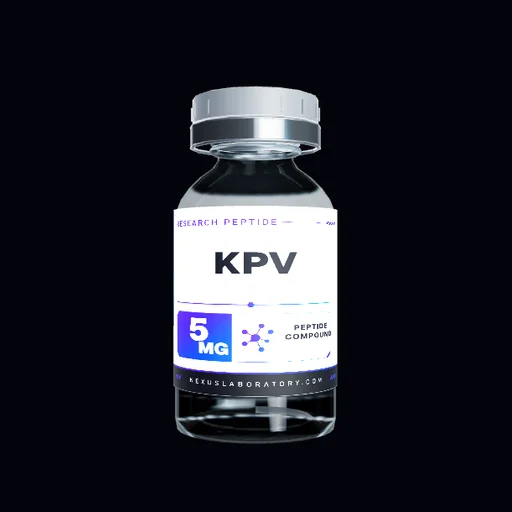
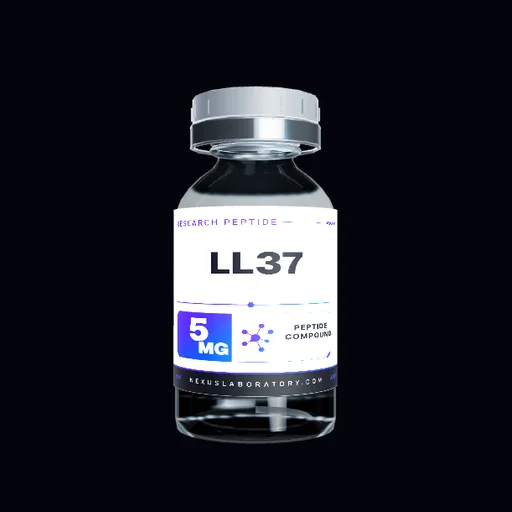
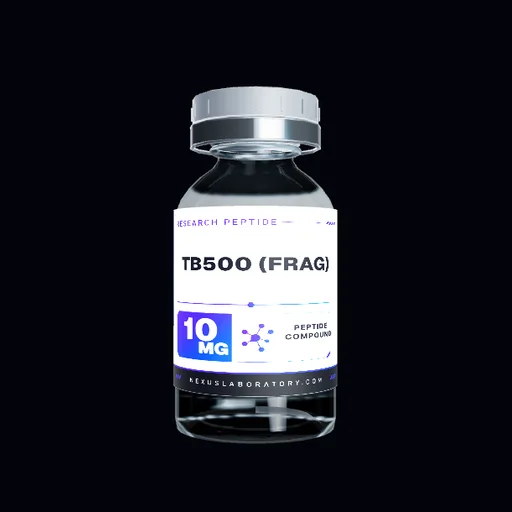
TB500 (FRAG)
$60.99- CAS
- N/A
- MW
- 889.02
TB500 (FRAG) from the Nexus Healing & Recovery catalog, supplied for controlled in-vitro research workflows.
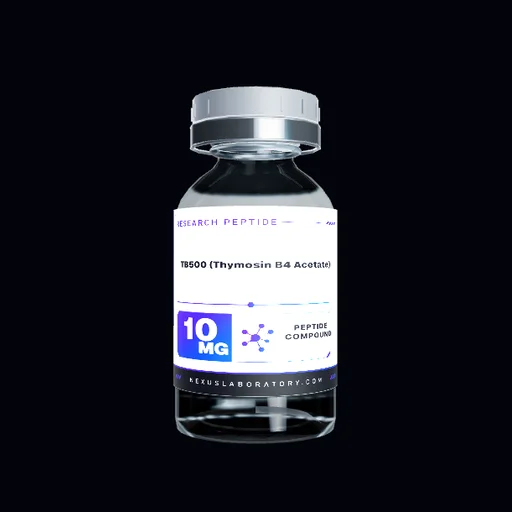
TB500 (Thymosin B4 Acetate)
From$30.99- CAS
- 77591-33-4
- MW
- 4963.5
TB500 (Thymosin B4 Acetate) from the Nexus Healing & Recovery catalog, supplied for controlled in-vitro research workflows.
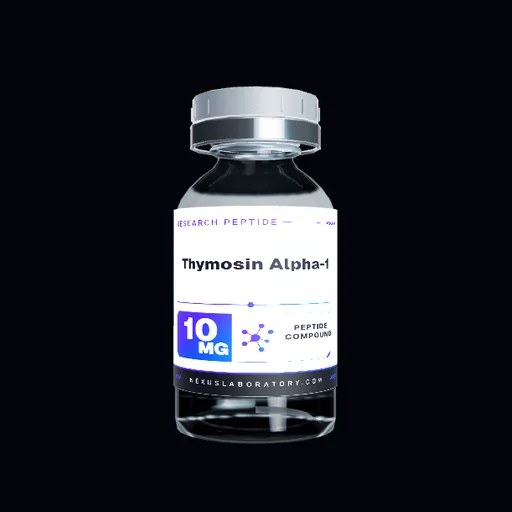
Thymosin Alpha-1
From$42.99- CAS
- 62304-98-7
- MW
- 3108.28
Thymosin Alpha-1 from the Nexus Healing & Recovery catalog, supplied for controlled in-vitro research workflows.
Research context
This page groups standalone recovery compounds with combination stacks so related pathways can be compared without losing variant context.
Browse other research areas.
Researchers often cross-reference compounds across categories. See the full research catalog or jump to another category below.
- GLP-1 & Metabolic research compounds
- Growth Hormone Secretagogues research compounds
- Cosmetic & Skin research compounds
- Russian Bioregulators research compounds
- Cognitive & Nootropic research compounds
- Longevity & Cellular Health research compounds
- Tanning & Pigmentation research compounds
- Sexual Health research compounds
- Sleep research compounds
- Mitochondrial & Energy research compounds
- Specialty Research research compounds
- Oral Tablets research compounds
- Solvents & Accessories research compounds
For batch certificates of analysis, see the public COA archive. For reference data on compounds, see the peptide research database.
Category overview.
Healing and recovery compounds are research peptides and small molecules studied for their effects on tissue repair, angiogenesis, mucosal stability, and recovery-related signaling pathways in preclinical research models. The Nexus catalog includes 12 compounds in this category — examples: BPC 157, TB500 (Thymosin B4 Acetate), TB500 (FRAG), BPC 2mg + TB 2mg, BPC 5mg + TB 5mg — supplied for in-vitro research use only, with COA status surfaced per product and pending certificates labeled.
Healing and recovery research products include repair-oriented peptides, thymosin-family compounds, KPV, LL-37, and combination stacks built around tissue, barrier, and immune-modulation research. Nexus separates this category because buyers often need to compare standalone compounds with stack-style formats.
This category is intentionally organized around research workflow rather than claims. Product pages surface variant size, COA context, and related product links so researchers can distinguish BPC, TB500, KPV, thymosin, and blend records.
Research context.
Researchers in this category often examine peptide identity, blend composition, and pathway-adjacent comparison. Standalone BPC-157 and TB500 records support component-level review, while blend pages make it easier to evaluate catalog formats that combine multiple materials.
Because recovery-category language can easily drift into medical claims, Nexus keeps copy factual. Category content focuses on compound families, blend composition, lot-specific certificate status, and research-use boundaries.
Quality standards.
Nexus uses named-lot status, finalized source links when present, and clear research-use language. Combination products are linked to component pages so researchers can inspect each record independently.
Research applications.
Compounds in this category are studied in preclinical research models examining tissue-repair signaling, angiogenesis pathways, gastrointestinal mucosal stability, immune modulation, and connective-tissue research models. Common research applications include BPC-157 research on nitric oxide pathway interaction, VEGF/EGF modulation, and FAK-paxillin signaling; TB-500 research on actin sequestration and tissue migration models; KPV research on inflammatory pathway research; LL-37 research on antimicrobial and innate-immunity research; thymosin alpha-1 research on immune-modulation research models; and combination research using pre-formulated multi-peptide blends.
Compound diversity within this category.
The 12 compounds span gastric pentadecapeptides (BPC-157 standalone and four blend formats), thymosin beta-4 family (TB-500 standalone and TB-500 fragment), thymosin alpha-1 (thymic immune-modulating peptide), KPV (alpha-MSH-derived tripeptide), LL-37 (cathelicidin antimicrobial peptide), and ACE-031 (activin receptor IIB-Fc fusion protein — structurally different from the rest of the category, requires SDS-PAGE characterization). Blend formats combine 2-4 of these peptides at varied size ratios.
Common research stacks.
The canonical research-stack pairing in this category is BPC-157 + TB-500, available standalone or pre-formulated at 2mg+2mg, 5mg+5mg, and 10mg+10mg. Tri-peptide research blends extend this with GHK-Cu (cross-category from cosmetic peptides) at BPC+GHK-Cu+TB-500 ratios; the quad blend adds KPV.
Verification specifics.
Analytical methods vary by compound, format, and named lot. A finalized lot record publishes only the methods, fields, and results present in its source document. A pending certificate state exposes no assay values; no category-level method panel, purity threshold, or release conclusion is implied.
Products in this category
- BPC-157: repair-oriented peptide research product.
- TB500 and TB500 Frag: thymosin-family research materials.
- BPC + TB blends: paired recovery research formats in multiple sizes.
- BPC + GHK-CU + TB500 blends: expanded combination formats.
- KPV: tripeptide research material.
- LL-37: antimicrobial peptide research product.
- Thymosin Alpha-1: immune-modulation research peptide.
- ACE-031: specialty recovery-category research compound.
Category FAQ
Why are BPC and TB500 blends listed with standalone products?
Researchers often compare component products with blend formats, so Nexus keeps them in one category for easier internal navigation.
Does Nexus make recovery or medical claims?
No. The category is written for research catalog discovery and avoids therapeutic claims.
Are component peptides linked from blend pages?
Yes. Blend product pages include component links when the catalog has a matching standalone record.
Which solvent products are commonly cross-linked?
Vial-format products commonly link to bacteriostatic water or relevant accessory pages where appropriate.
Is COA data shown?
Product pages link finalized source files when present; pending records show no assay values.
What does certificate-pending status mean?
Certificate-pending means no finalized certificate is published for that lot, so no assay values are shown. Finalized records display only the methods, fields, and results present in the applicable source file.