


GLP-1, amylin, and multi-agonist compounds.
Explore the highest-demand metabolic research category, spanning single agonists, dual agonists, triple agonists, and amylin-pathway compounds.
GLP-1 & Metabolic catalog.
9 of 95 products9 of 9 products shown

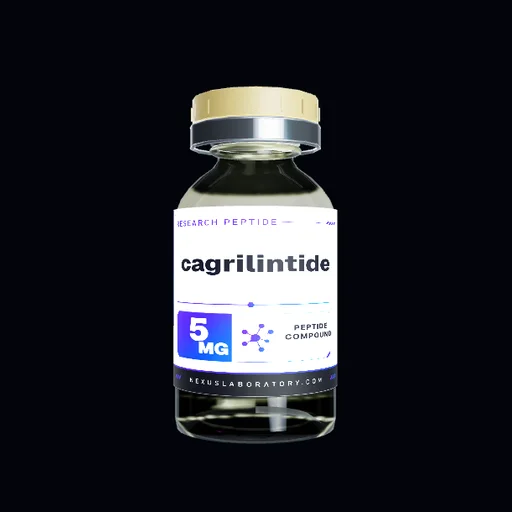
cagrilintide
From$58.99- CAS
- 1415456-99-3
- MW
- 4409.07
cagrilintide from the Nexus GLP-1 & Metabolic catalog, supplied for controlled in-vitro research workflows.
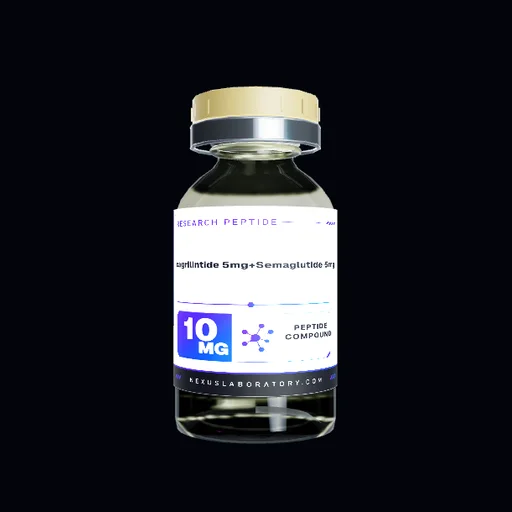
cagrilintide 5mg+Semaglutide 5mg
$69.99- CAS
- N/A
- MW
- 4409.07
cagrilintide 5mg+Semaglutide 5mg from the Nexus GLP-1 & Metabolic catalog, supplied for controlled in-vitro research workflows.
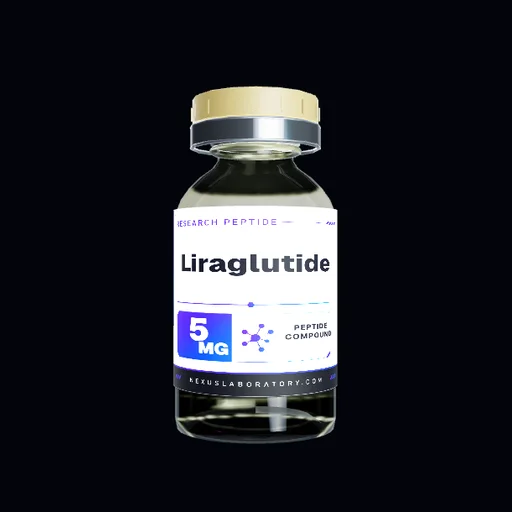
Liraglutide
From$113.99- CAS
- 204656-20-2
- MW
- 3751.2
Liraglutide from the Nexus GLP-1 & Metabolic catalog, supplied for controlled in-vitro research workflows.
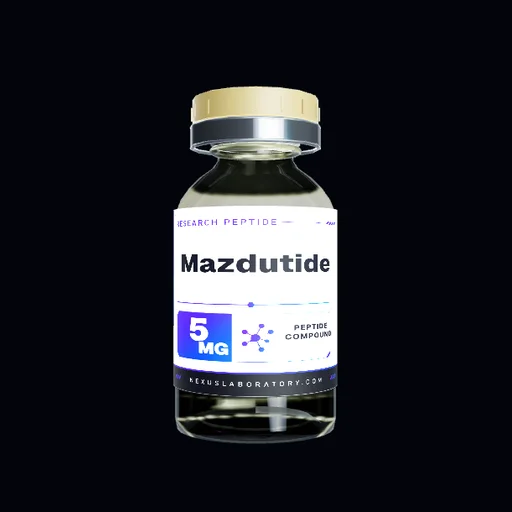
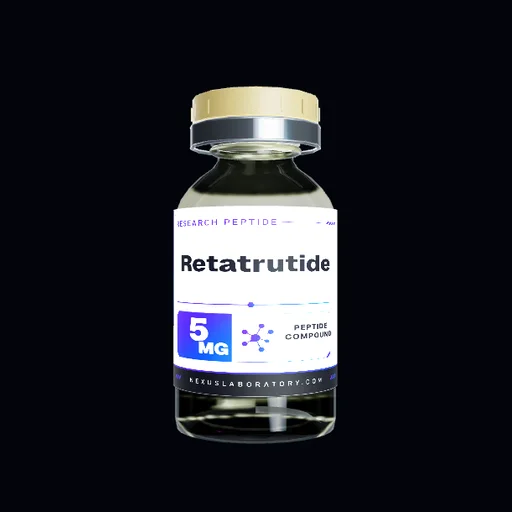
Retatrutide
From$45.99- CAS
- 2381089-83-2
- MW
- 4731.33
Retatrutide from the Nexus GLP-1 & Metabolic catalog, supplied for controlled in-vitro research workflows.
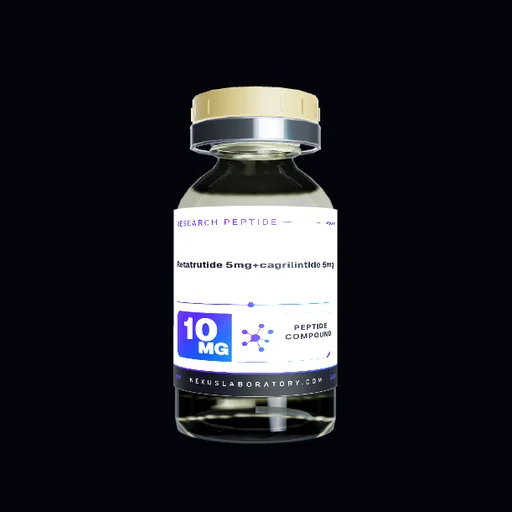
Retatrutide 5mg+cagrilintide 5mg
$91.99- CAS
- N/A
- MW
- ---
Retatrutide 5mg+cagrilintide 5mg from the Nexus GLP-1 & Metabolic catalog, supplied for controlled in-vitro research workflows.
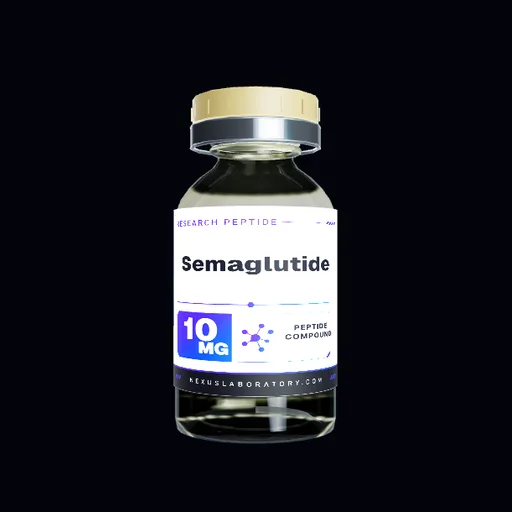
Semaglutide
From$14.99- CAS
- 910463-68-2
- MW
- 4113.58
Semaglutide from the Nexus GLP-1 & Metabolic catalog, supplied for controlled in-vitro research workflows.
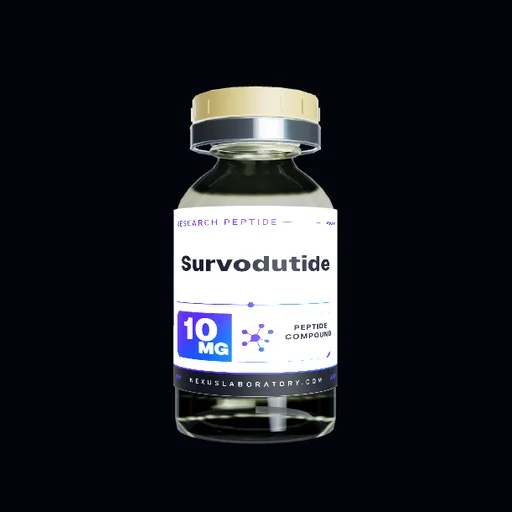
Survodutide
$342.99- CAS
- 2805997-46-8
- MW
- 4231.69
Survodutide from the Nexus GLP-1 & Metabolic catalog, supplied for controlled in-vitro research workflows.
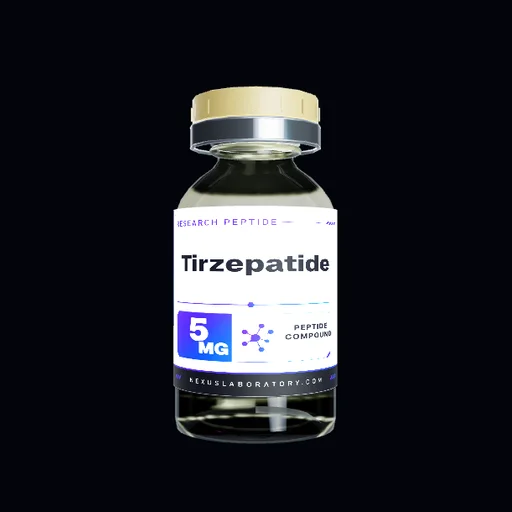
Tirzepatide
From$28.99- CAS
- 2023788-19-2
- MW
- 4813.45
Tirzepatide from the Nexus GLP-1 & Metabolic catalog, supplied for controlled in-vitro research workflows.
Research context
This category is built for researchers comparing receptor-pathway selectivity, format breadth, and next-generation metabolic signaling families.
Browse other research areas.
Researchers often cross-reference compounds across categories. See the full research catalog or jump to another category below.
- Growth Hormone Secretagogues research compounds
- Healing & Recovery research compounds
- Cosmetic & Skin research compounds
- Russian Bioregulators research compounds
- Cognitive & Nootropic research compounds
- Longevity & Cellular Health research compounds
- Tanning & Pigmentation research compounds
- Sexual Health research compounds
- Sleep research compounds
- Mitochondrial & Energy research compounds
- Specialty Research research compounds
- Oral Tablets research compounds
- Solvents & Accessories research compounds
For batch certificates of analysis, see the public COA archive. For reference data on compounds, see the peptide research database.
Category overview.
GLP-1 and metabolic research peptides are incretin-pathway agonists studied in preclinical research models for their effects on glucose-stimulated signaling, satiety pathways, and dual/triple receptor pharmacology. The Nexus catalog includes 9 compounds in this category — examples: Semaglutide, Tirzepatide, Retatrutide, Liraglutide, Mazdutide — supplied for in-vitro research use only with public COA status visible on product pages.
GLP-1 and metabolic research compounds are used to study incretin signaling, amylin-pathway activity, and newer multi-agonist receptor models. This Nexus category groups single-pathway GLP-1 analogs with dual and triple agonist research tools so qualified buyers can compare formats without jumping across the catalog.
The category includes established GLP-1 research references, amylin analogs, and blended metabolic models. Product pages remain research-use focused and avoid therapeutic positioning; the emphasis is on identity, vial format, and lot-specific certificate status.
Research context.
Researchers in this category commonly compare receptor selectivity, agonist families, concentration-response models, and stability across related incretin or amylin-pathway compounds. GLP-1 analogs are often evaluated alongside GIP, glucagon, or amylin activity depending on the product family and experimental design.
Because this category includes single agents and combination formats, product-page clarity matters. Nexus separates individual compounds from blends, lists variant sizes, and links COA records where available so researchers can distinguish catalog identity from downstream experimental use. Claims are intentionally limited to research context rather than outcomes.
Quality standards.
Nexus prioritizes named-lot status and clear identity records for metabolic research compounds. Product pages link finalized source files when present, show variant SKUs, and expose no assay values for pending records.
Research applications.
Compounds in this category are studied in preclinical research models examining the incretin axis — GLP-1, GIP, glucagon, and amylin receptor pharmacology. Common research applications include single-receptor pharmacology (semaglutide and liraglutide as GLP-1 reference agonists), dual-receptor comparison studies (tirzepatide for GIP/GLP-1, mazdutide and survodutide for GLP-1/glucagon), triple-receptor research (retatrutide), and multi-pathway combinations using amylin agonists alongside incretin agonists (cagri-sema, retatrutide+cagrilintide). The category is the largest contemporary research peptide family by published literature volume; receptor pharmacology research alone has produced more than a thousand peer-reviewed studies since 2017.
Compound diversity within this category.
The nine compounds in this category span a structural range: peptide single agonists (semaglutide, liraglutide), peptide dual agonists (tirzepatide for GIP/GLP-1; mazdutide and survodutide for GLP-1/glucagon), triple agonists (retatrutide), an amylin analog (cagrilintide), and pre-mixed blends (cagri-sema, retatrutide+cagrilintide). Half-lives range from sub-day (liraglutide) to multi-day (semaglutide, tirzepatide), and molecular weight ranges from ~3.5 kDa (liraglutide, cagrilintide) to ~4.8 kDa (tirzepatide).
Common research stacks.
Common research-stack pairings in this category: semaglutide + cagrilintide (cagri-sema research blend), retatrutide + cagrilintide (multi-receptor + amylin research), and head-to-head comparator studies pairing semaglutide vs tirzepatide or tirzepatide vs retatrutide. Researchers commonly study one single-agonist and one multi-agonist side-by-side in the same experiment.
Verification specifics.
Analytical methods vary by compound, format, and named lot. A finalized lot record publishes only the methods, fields, and results present in its source document. A pending certificate state exposes no assay values; no category-level method panel, purity threshold, or release conclusion is implied.
Products in this category
- Semaglutide: GLP-1 analog research material with multiple vial-size options.
- Tirzepatide: dual-pathway incretin research compound with broad vial-size coverage.
- Retatrutide: multi-agonist metabolic research compound for advanced pathway comparison.
- Liraglutide: GLP-1 analog format used in comparative incretin studies.
- Mazdutide: dual agonist metabolic research material.
- Survodutide: glucagon and GLP-1 pathway research compound.
- Cagrilintide: amylin analog research product.
- Cagrilintide + Semaglutide: combination research format for paired pathway models.
- Retatrutide + Cagrilintide: combination format for multi-pathway metabolic studies.
Category FAQ
What is the difference between Semaglutide and Tirzepatide for research?
Semaglutide is framed as a GLP-1 analog research material, while Tirzepatide is organized as a dual-pathway incretin research compound. The appropriate comparison depends on the receptor model being studied.
Why are Cagrilintide combinations listed in this category?
Cagrilintide is an amylin analog, and paired formats are relevant to metabolic pathway comparison alongside GLP-1 and multi-agonist research tools.
Are these products intended for clinical use?
No. Nexus product copy is limited to controlled research use and does not position these compounds for human or veterinary use.
How should researchers compare variants?
Start with compound identity, vial size, SKU, COA availability, and the experiment's required concentration model.
Where is certificate status shown?
Product pages show lot-specific certificate status. Finalized records link the available source file; certificate-pending records show no assay values.
What does certificate-pending status mean?
Certificate-pending means no finalized certificate is published for that lot, so no assay values are shown. Finalized records display only the methods, fields, and results present in the applicable source file.