


Senolytic, mitochondrial, and longevity research tools.
Cellular-health compounds for mitochondrial function, senescence research, peptide bioregulation, and redox workflows.
Longevity & Cellular Health catalog.
7 of 95 products7 of 7 products shown

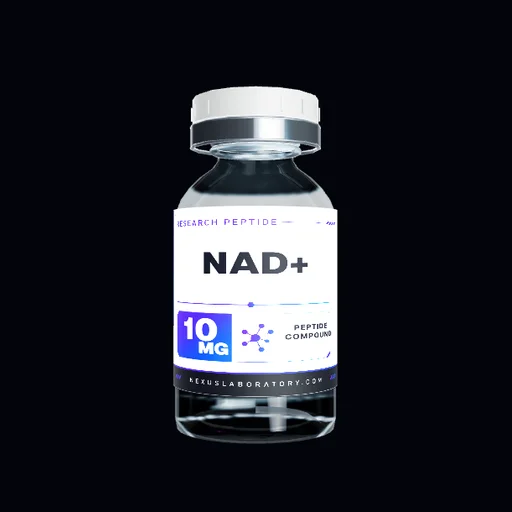
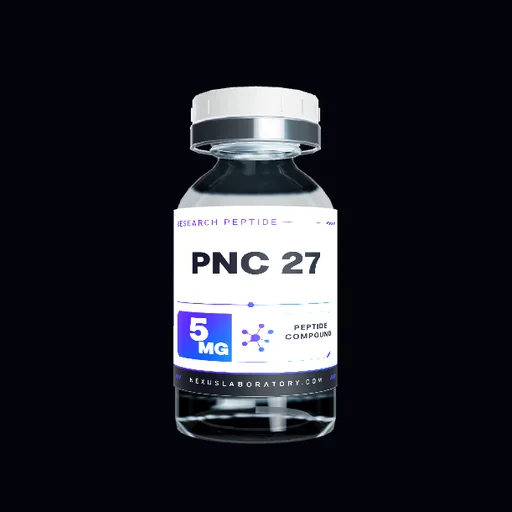
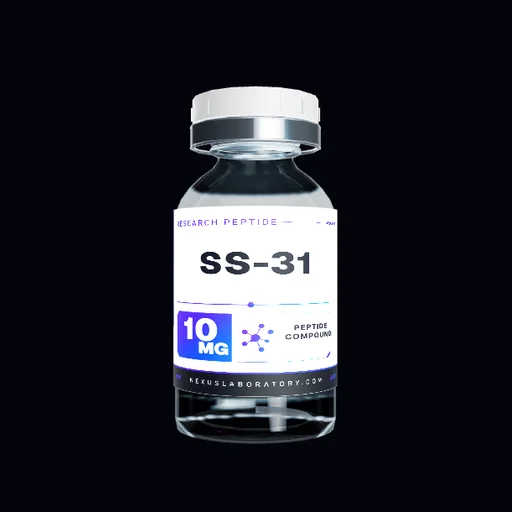
Research context
Several products overlap with energy research; this landing page prioritizes longevity and cell-health framing for discovery.
Browse other research areas.
Researchers often cross-reference compounds across categories. See the full research catalog or jump to another category below.
- GLP-1 & Metabolic research compounds
- Growth Hormone Secretagogues research compounds
- Healing & Recovery research compounds
- Cosmetic & Skin research compounds
- Russian Bioregulators research compounds
- Cognitive & Nootropic research compounds
- Tanning & Pigmentation research compounds
- Sexual Health research compounds
- Sleep research compounds
- Mitochondrial & Energy research compounds
- Specialty Research research compounds
- Oral Tablets research compounds
- Solvents & Accessories research compounds
For batch certificates of analysis, see the public COA archive. For reference data on compounds, see the peptide research database.
Category overview.
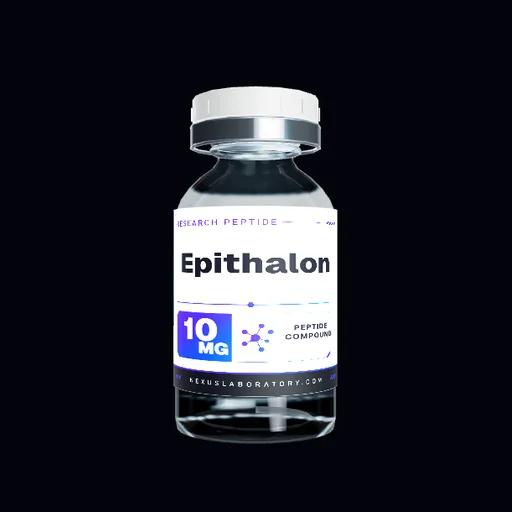
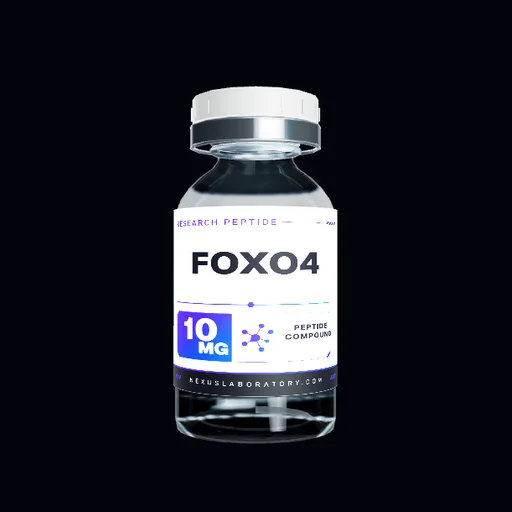
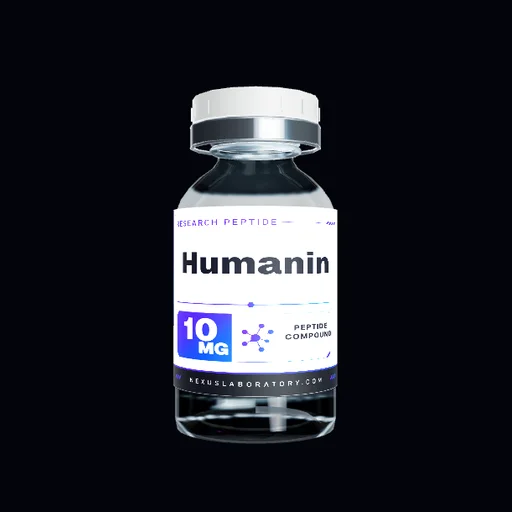
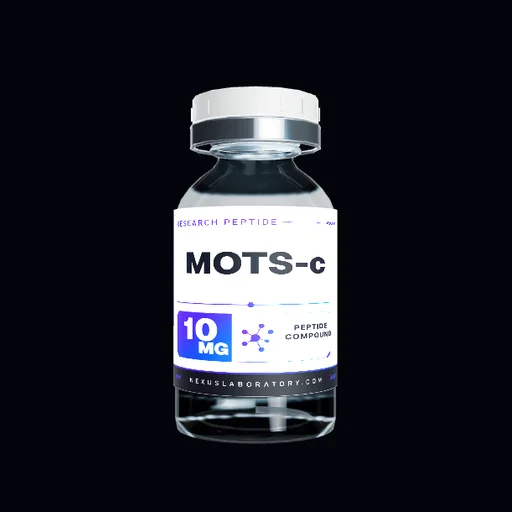
Longevity research compounds — including senolytic peptides, mitochondrial-derived peptides (MDPs), and pineal-axis short peptides — are studied in preclinical research models for cellular senescence pathways, mitochondrial bioenergetics, and aging-research applications. The Nexus catalog includes 7 compounds in this category — examples: Epithalon, FOXO4, Humanin, MOTS-c, NAD+. Supplied for in-vitro research use only.
Longevity and cellular health research products include senescence, mitochondrial, redox, and cellular-signaling compounds. Nexus separates this group from general energy research because the discovery intent is often cell-health comparison rather than acute energy-metabolism framing.
This category includes Epithalon, FOXO4, Humanin, MOTS-c, NAD+, SS-31, and PNC-27. Each product is presented as a research material with conservative copy and lot-specific certificate status.
Research context.
This category is built around cellular pathways, mitochondrial signaling, redox models, and senescence-adjacent research. Some products overlap conceptually with energy metabolism, but Nexus uses this landing page for longer-horizon cellular-health discovery.
Product pages keep the comparison practical: name, format, variant size, COA context, molecular data where available, and related internal links. The category avoids unsupported anti-aging or treatment language.
Quality standards.
Nexus surfaces finalized source files when present and pending status without assay values. Cellular-health products can attract exaggerated claims, so copy is intentionally factual and tied to research identity rather than consumer outcomes.
Research applications.
Compounds in this category are studied in preclinical research models examining cellular senescence, mitochondrial bioenergetics, NAD+ pathway research, and aging-research applications. Common research applications include epithalon research on pineal-axis longevity signaling, FOXO4-DRI research on senolytic pathway research, MOTS-c and humanin research on mitochondrial-derived peptide signaling, SS-31 (elamipretide) research on mitochondrial-targeted antioxidant peptide research, NAD+ research as a mitochondrial bioenergetics substrate, and PNC-27 research on p53-derived peptide research.
Compound diversity within this category.
The seven compounds span four mechanism sub-families: pineal-axis short peptides (epithalon), senolytic peptides (FOXO4-DRI), mitochondrial-derived peptides (MOTS-c, humanin), mitochondrial-targeted peptides (SS-31), p53-derived peptides (PNC-27), and NAD+ pathway compounds (NAD+ itself). Molecular weight ranges from 390 Da (epithalon) to 2.5 kDa (humanin).
Common research stacks.
Common research-stack pairings: epithalon + pinealon for pineal-axis research (pinealon is in Russian Bioregulators); MOTS-c + humanin for mitochondrial-derived peptide research; NAD+ + MOTS-c for mitochondrial bioenergetics research; FOXO4-DRI + epithalon for senescence-and-pineal-axis research combinations.
Verification specifics.
Analytical methods vary by compound, format, and named lot. A finalized lot record publishes only the methods, fields, and results present in its source document. A pending certificate state exposes no assay values; no category-level method panel, purity threshold, or release conclusion is implied.
Products in this category
- Epithalon: peptide research product in the longevity category.
- FOXO4: senescence-research catalog material.
- Humanin: mitochondrial and cellular-signaling research peptide.
- MOTS-c: mitochondrial peptide research product.
- NAD+: cellular redox research material.
- SS-31: mitochondrial research peptide.
- PNC-27: specialty cellular-health research product.
Category FAQ
Why separate longevity from mitochondrial energy?
Some products overlap, but this category is organized around cellular-health and longevity research intent rather than energy-metabolism comparison.
Are anti-aging claims made?
No. Nexus avoids outcome claims and lists these products as research materials only.
What should researchers compare first?
Start with compound identity, listed chemistry data, variant size, COA status, and pathway context.
Does NAD+ belong with peptides?
It is included because the category is organized by cellular-health research context, not only peptide structure.
Is batch data available?
Product pages show named-lot certificate status and link finalized source files when present.
What does certificate-pending status mean?
Certificate-pending means no finalized certificate is published for that lot, so no assay values are shown. Finalized records display only the methods, fields, and results present in the applicable source file.