


Copper peptides and cosmetic research compounds.
Copper peptide, matrix, and skin-signaling compounds presented separately from systemic peptide families.
Cosmetic & Skin catalog.
6 of 95 products6 of 6 products shown

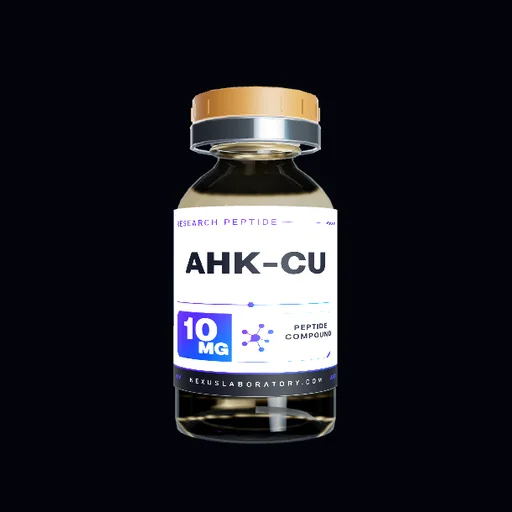
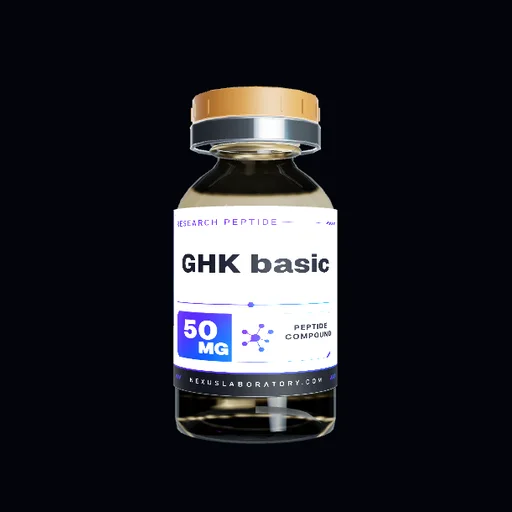
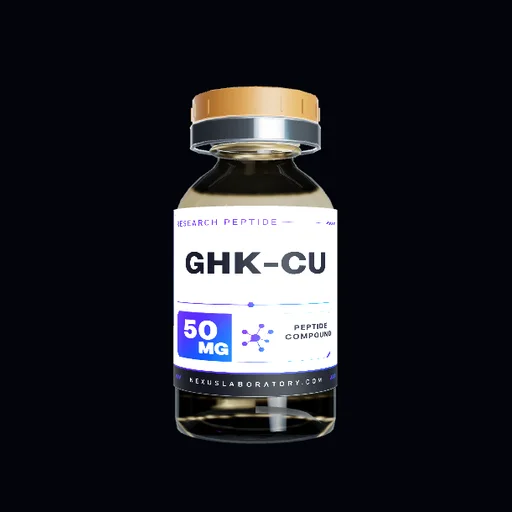
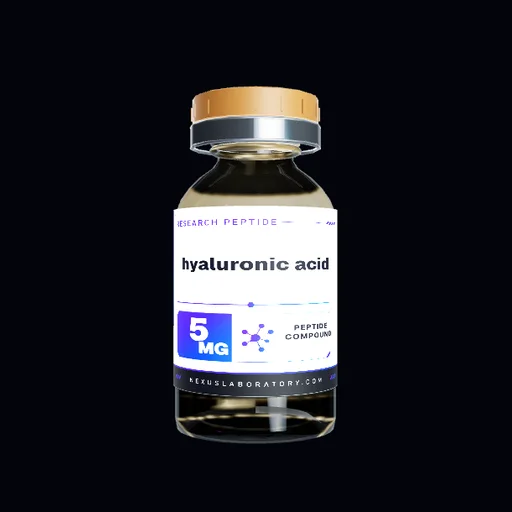
hyaluronic acid
$48.99- CAS
- 9004-61-9
- MW
- ---
hyaluronic acid from the Nexus Cosmetic & Skin catalog, supplied for controlled in-vitro research workflows.
Research context
Cosmetic and topical research products often require different solvent pairing, handling assumptions, and product-page framing than vial-format peptide categories.
Browse other research areas.
Researchers often cross-reference compounds across categories. See the full research catalog or jump to another category below.
- GLP-1 & Metabolic research compounds
- Growth Hormone Secretagogues research compounds
- Healing & Recovery research compounds
- Russian Bioregulators research compounds
- Cognitive & Nootropic research compounds
- Longevity & Cellular Health research compounds
- Tanning & Pigmentation research compounds
- Sexual Health research compounds
- Sleep research compounds
- Mitochondrial & Energy research compounds
- Specialty Research research compounds
- Oral Tablets research compounds
- Solvents & Accessories research compounds
For batch certificates of analysis, see the public COA archive. For reference data on compounds, see the peptide research database.
Category overview.
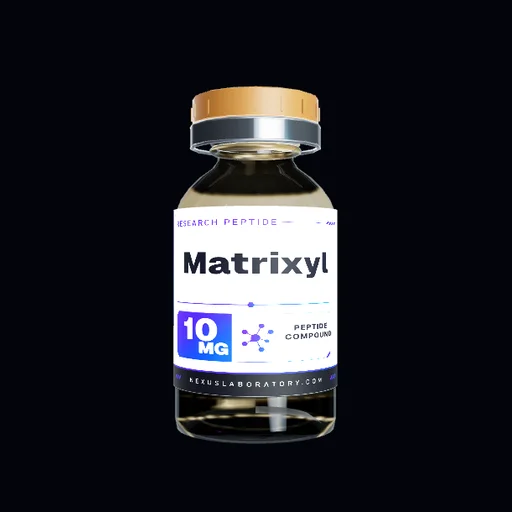
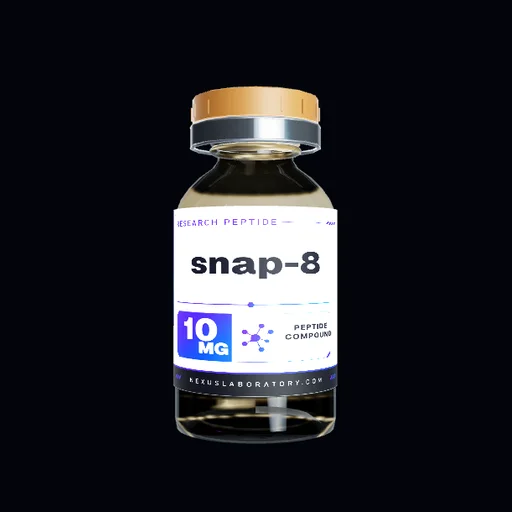
Cosmetic peptide research compounds are short peptides (including copper-binding tripeptides and palmitoylated signaling peptides) studied in preclinical research models for their effects on extracellular matrix remodeling, fibroblast signaling, and pigmentation pathways. The Nexus catalog includes 6 compounds in this category — examples: GHK-CU, AHK-CU, GHK basic, Matrixyl, snap-8. Supplied for in-vitro research use only.
The cosmetic and skin research category focuses on copper peptides, matrix peptides, topical-format research materials, and dermal signaling compounds. Nexus keeps these products separate from systemic peptide categories because the research context, handling assumptions, and buyer intent differ.
This category includes GHK-CU, AHK-CU, GHK Basic, Matrixyl, SNAP-8, and Hyaluronic Acid. Copy stays within cosmetic research and in-vitro framing rather than making cosmetic outcome claims.
Research context.
Researchers comparing this group often focus on copper binding, peptide structure, matrix signaling, and cosmetic formulation models. The category also separates copper peptides from non-copper cosmetic peptides so product families remain easy to scan.
Nexus prioritizes catalog clarity for these products by listing compound identity, variant options, and lot-specific certificate status. Topical or cosmetic associations are presented as research context only, not as consumer-use directions.
Quality standards.
Nexus surfaces named-lot certificate links when present, pending status without assay values, and clear product identity fields. Cosmetic-category pages retain research-use language and avoid before-and-after, clinical, or personal-use claims.
Research applications.
Compounds in this category are studied in preclinical research models examining extracellular matrix signaling, dermal fibroblast research, melanin pathway research, and copper-binding peptide research. Common research applications include GHK-copper research on tissue-remodeling signaling pathways, matrixyl (palmitoyl pentapeptide-4 / pal-KTTKS) research on collagen-synthesis signaling, AHK-copper research as a melanocyte-pathway comparator to GHK-copper, SNAP-8 research on SNARE-complex signaling, and hyaluronic acid research as a glycosaminoglycan research-grade reference standard.
Compound diversity within this category.
The six compounds span three structural sub-families: copper-binding tripeptides (GHK-copper, AHK-copper, unchelated GHK reference), palmitoylated short peptides (matrixyl / pal-KTTKS), acetyl octapeptides (SNAP-8), and high-molecular-weight glycosaminoglycans (hyaluronic acid). This structural diversity makes category-level analytical-method and handling assumptions inappropriate; each compound must be evaluated through its own source and lot records.
Common research stacks.
Within-category pairings: GHK-Cu and AHK-Cu are commonly studied side-by-side as melanogenesis-axis comparators. Cross-category: GHK-Cu pairs with BPC-157 + TB-500 in pre-formulated tri-peptide research blends in the Healing & Recovery category.
Verification specifics.
Analytical methods vary by compound, format, and named lot. A finalized lot record publishes only the methods, fields, and results present in its source document. A pending certificate state exposes no assay values; no category-level method panel, purity threshold, or release conclusion is implied.
Products in this category
- GHK-CU: copper peptide research product.
- AHK-CU: copper peptide analog research material.
- GHK Basic: non-copper GHK-format research compound.
- Matrixyl: matrix peptide research product.
- SNAP-8: cosmetic peptide research material.
- Hyaluronic Acid: specialty cosmetic research catalog item.
Category FAQ
Are copper peptides separated from other cosmetic peptides?
They are grouped in this category but remain distinct product records so researchers can compare GHK-CU, AHK-CU, and GHK Basic accurately.
Is this category for topical consumer products?
No. Nexus lists research materials only and does not provide consumer cosmetic directions.
Why include Hyaluronic Acid here?
It is categorized with cosmetic and skin research materials because its research context aligns more closely with dermal formulation work than with systemic peptide groups.
Does Nexus publish batch records?
Product pages link finalized source files when present and flag pending records without showing assay values.
Can these products be compared by variant size?
Yes. Variant selectors show available sizes and prices per product record.
What does certificate-pending status mean?
Certificate-pending means no finalized certificate is published for that lot, so no assay values are shown. Finalized records display only the methods, fields, and results present in the applicable source file.